
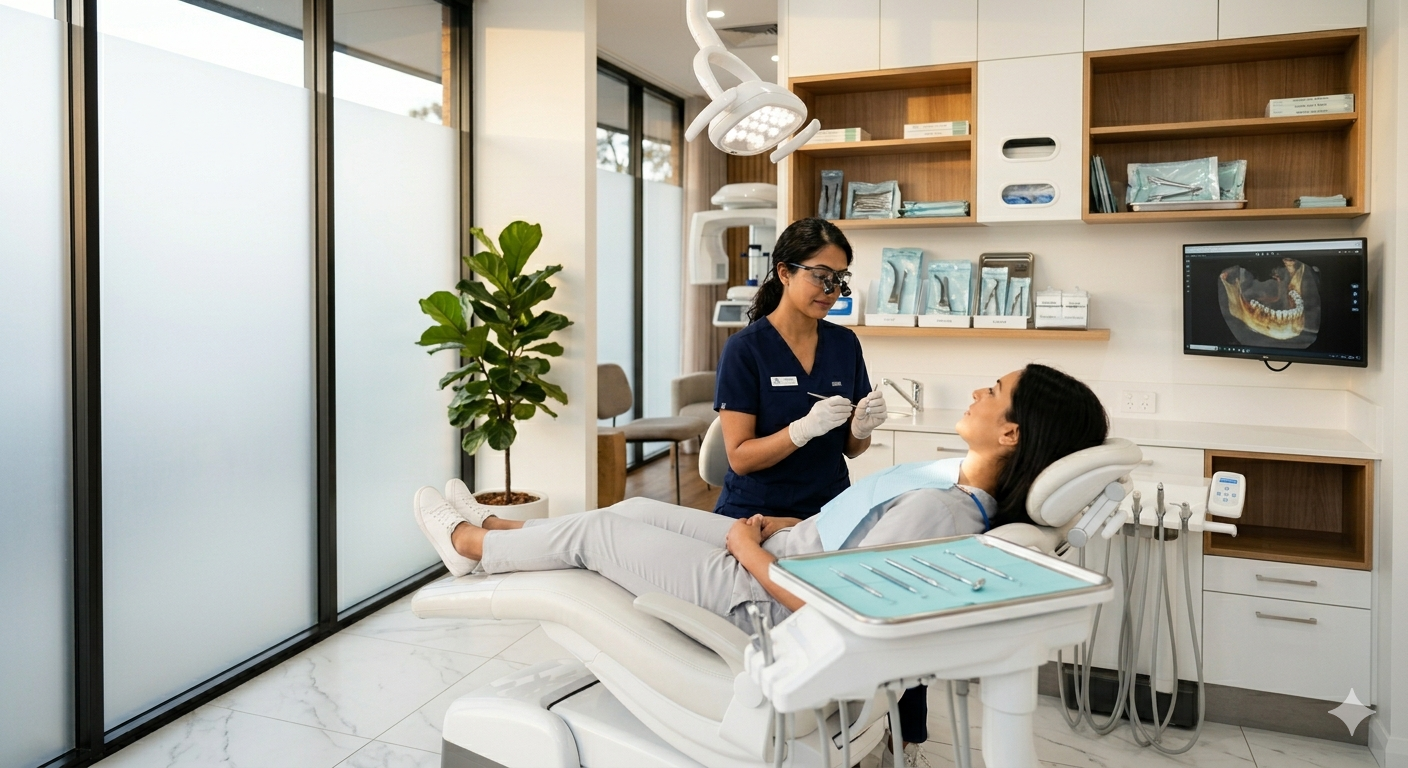
Porcelain veneers have become a popular choice for people looking to enhance their smiles with natural-looking results. In Brooklyn, NY, many patients find veneers offer a reliable way to address issues like chipped, stained, or uneven teeth without invasive procedures.
The main benefit of porcelain veneers is their ability to improve the appearance of teeth quickly while remaining durable and stain-resistant. This means patients can enjoy a brighter, more uniform smile that feels comfortable and looks authentic.
Additionally, porcelain veneers require minimal tooth alteration compared to other options, helping preserve natural enamel and supporting long-term dental health. For anyone considering a smile upgrade, learning how veneers work can make the decision easier and less intimidating.
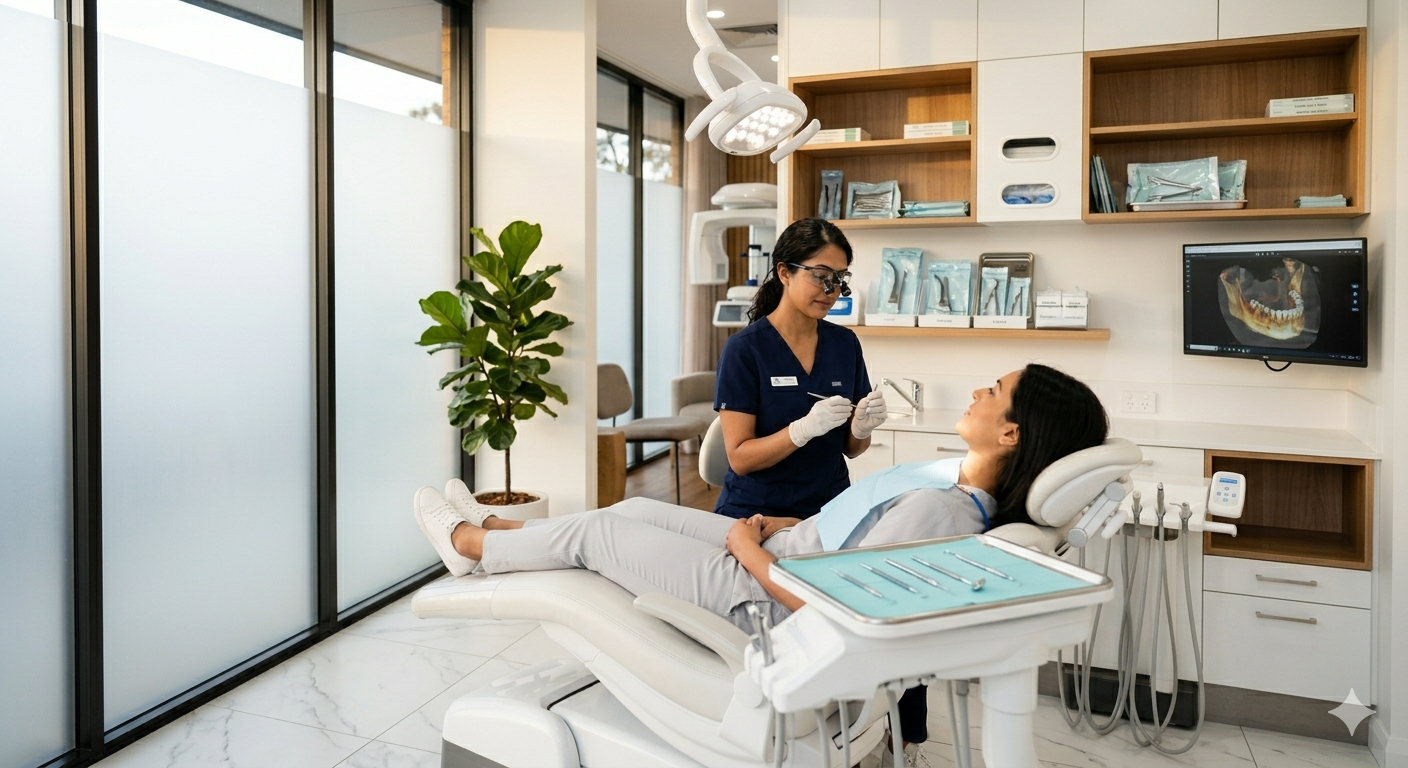
Porcelain veneers offer a precise way to improve the appearance of teeth by addressing common cosmetic issues. They provide a durable, natural-looking solution that can be tailored to each patient’s needs. Here’s what you need to know about their design, function, and variety.
Porcelain veneers are thin, custom-made shells crafted from high-quality ceramic. They are bonded to the front surface of the teeth to improve shape, color, and alignment. Because porcelain closely mimics natural enamel, veneers provide a bright, lifelike finish.
The procedure usually requires minimal tooth reshaping, preserving most of the natural tooth structure. This makes veneers a less invasive option compared to crowns or bridges. Patients find veneers useful for fixing chips, stains, gaps, and minor crookedness.
Veneers change the appearance of your smile by covering imperfections with a smooth, polished surface. After a dentist prepares the teeth by removing a small amount of enamel, the veneers are bonded using a strong dental adhesive. The result is a seamless blend with your surrounding teeth.
The durability of porcelain means veneers resist stains and maintain their shine over time. They also help protect worn or damaged teeth from further wear. Treatment usually spans two visits: one for preparation and impressions, and another for placement.
In Brooklyn, dentists offer several types of veneers depending on patient goals and budgets. Traditional porcelain veneers are the most common, offering strength and a natural look.
Another option is lithium disilicate veneers, which are thinner but equally durable, making them suitable for less tooth reshaping. Composite resin veneers are less expensive and quicker to apply but tend to stain more and have a shorter lifespan.
Your dentist will recommend the best type based on your oral health and cosmetic desires, ensuring a comfortable fit and beautiful, lasting results.
Porcelain veneers offer tailored improvements that fit the unique smiles of Brooklyn residents. They address specific dental concerns, enhancing overall appearance with durable, natural-looking materials.
Porcelain veneers can transform an entire smile by adjusting tooth shape, size, and alignment. For Brooklyn patients, this means a custom solution that complements facial features and personal style.
These veneers are thin shells bonded to teeth, providing a consistent color and smooth surface. This approach allows dentists to correct uneven or worn teeth in just a few visits. Many find this option less invasive than crowns, preserving more of the natural tooth structure.
Patients often appreciate quick results with minimal discomfort. The ability to preview the expected outcome before placement makes the process reassuring and predictable.
Veneers cover teeth stained by coffee, smoking, or aging that whitening treatments can’t fix. Porcelain resists future staining, keeping the smile bright over time.
For those living in Brooklyn, where lifestyles vary, this benefit means a lasting solution without ongoing whitening routines. The natural translucency of porcelain mimics real enamel, so veneers blend seamlessly with surrounding teeth.
Dentists match veneer color to existing teeth or create a lighter, more vibrant shade. This control lets patients achieve a shade that feels natural and boosts confidence.
Small chips from accidents or everyday wear happen frequently. Porcelain veneers provide a smooth, even surface that hides these imperfections completely.
Minor gaps between teeth can also be closed with veneers, improving bite appearance without braces. This option suits busy Brooklyn residents seeking quick correction without long orthodontic treatments.
The precision crafting of veneers allows dentists to enhance tooth contours and size subtly. This careful work restores a balanced smile that looks natural and feels comfortable.
If you have questions or want to explore if veneers are right for your smile, consulting with a local Brooklyn dentist can help you make an informed choice.
Porcelain veneers do more than improve appearance. They also support natural oral function and emotional well-being in daily life.
Porcelain veneers create a natural-looking and brighter smile by covering imperfections like chips, stains, or gaps. This improves how someone feels about their teeth when they look in the mirror, often increasing self-esteem.
The smooth surface of veneers also resists staining better than natural teeth. This means patients don’t have to worry as much about discoloration from coffee or wine.
Many people find that having a professional, polished smile encourages them to smile more often, creating positive feedback in both personal and social settings.
A confident smile can make a tangible difference at work and in social life. People often report feeling less self-conscious during conversations after getting veneers, which helps with clear communication.
Veneers support proper biting and speaking since they are custom-fit to the teeth. This enhances comfort during everyday activities like eating and talking.
In interviews or meetings, having a clean, attractive appearance boosts first impressions. This gives patients an edge when forming new connections or advancing careers.
If concerns about appearance or bite affect daily comfort, discussing porcelain veneers with a Brooklyn dental expert is a valuable step.
Porcelain veneers are made to last but do require proper care to maintain their appearance and function. Their strength and longevity depend on materials, placement, and how well patients follow care recommendations. Understanding these factors helps those considering veneers feel more confident in their investment.
Modern porcelain veneers typically last between 10 to 15 years, sometimes even longer with ideal care. Advances in dental materials have made them more resistant to chips, cracks, and discoloration compared to older versions.
The bonding process is crucial for durability. Skilled dental professionals use strong adhesives to permanently attach veneers to the teeth, reducing the chances of detachment. Still, extreme habits like grinding teeth or biting hard objects can shorten their lifespan.
Regular dental check-ups help spot wear early. Many patients enjoy natural-looking smiles for over a decade, which makes veneers a reliable option for cosmetic improvement.
Proper care extends the life of veneers significantly. Patients should practice gentle brushing with a non-abrasive toothpaste and floss daily to prevent gum disease and decay on natural teeth supporting the veneers.
Avoid biting directly into hard foods such as ice, nuts, or hard candies to prevent cracks or chips. Wearing a nightguard if prone to grinding protects veneers from excessive force.
Routine dental cleanings and timely repairs keep the veneers looking their best. Simple lifestyle adjustments and consistent hygiene make a big difference in how long porcelain veneers stay beautiful and functional.
Porcelain veneers are designed to enhance smiles without extensive dental work. The approach focuses on protecting the natural teeth while improving appearance, keeping treatment gentle and precise.
The process starts with minimal preparation of the teeth. Dentists often remove just a thin layer of enamel—sometimes less than a millimeter—to make room for the veneers. This careful trimming avoids pain and preserves tooth strength.
Local anesthesia is typically used to ensure comfort during preparation. The dentist then takes impressions to create custom veneers that fit perfectly. Since the procedure doesn’t involve drilling deep into the tooth or removing nerves, recovery is quick with little to no sensitivity afterward.
Patients experience a smooth, quiet treatment that feels more like a routine cleaning than extensive dental work.
Preservation of natural enamel is key with porcelain veneers. Unlike crowns, which require significant tooth reshaping, veneers preserve most of the original tooth. This helps maintain tooth vitality and reduces long-term risks like sensitivity and decay.
Because the tooth remains mostly intact, future treatments remain an option. The strength and appearance of enamel are protected as much as possible, contributing to lasting oral health.
This conservative approach aligns with modern dentistry’s focus on balance—improving aesthetics while honoring natural tooth integrity. It’s particularly reassuring for those worried about permanent alterations to their smile.
Porcelain veneers offer specific advantages that set them apart from other cosmetic dental treatments like bonding and crowns. Understanding these differences helps patients choose the best option for their smile goals and dental health.
Porcelain veneers are thin shells bonded to the front of teeth, providing a natural look with strong stain resistance. Compared to bonding, veneers are more durable and less prone to discoloration over time. Bonding uses resin, which can chip and stain more easily but costs less and requires less enamel removal.
Crowns cover the entire tooth, offering protection for heavily damaged teeth but require more extensive reshaping. Veneers preserve more of the natural tooth structure and focus on improving appearance rather than strength, making them less invasive than crowns in many cases.
| Feature | Porcelain Veneers | Bonding | Crowns |
|---|---|---|---|
| Durability | High | Moderate | Very high |
| Appearance | Very natural, stain-resistant | Natural, less durable | Natural, bulkier |
| Tooth preparation | Minimal enamel removal | Minimal | Significant |
| Cost | Moderate to high | Low to moderate | High |
Veneers are ideal for improving the appearance of chipped, stained, or slightly misaligned teeth when structural damage is minimal. They are particularly suitable for patients wanting a long-lasting, natural-looking solution that enhances smile aesthetics without major tooth alteration.
If a tooth has extensive decay or needs root canal treatment, crowns might be necessary instead. Veneers also work well for closing small gaps or correcting minor shape issues, making them a favored option for those focused mainly on cosmetic improvement.
Dentists often recommend veneers when patients seek a balance between aesthetics, smile uniformity, and preservation of tooth enamel. They combine durability with a pleasing look, fitting well into a patient’s overall smile enhancement plan.
Choosing porcelain veneers involves more than just aesthetic appeal. Each patient’s dental structure, lifestyle, and goals shape how veneers are designed and applied.
In Brooklyn, dental professionals tailor veneer treatments to fit every patient’s unique dental health and smile objectives. They begin with a thorough examination, including X-rays and impressions, to understand tooth positioning and bite.
From there, they create a treatment plan focused on preserving tooth structure while enhancing appearance. This may involve adjusting the shape, thickness, and color of the veneers. The dentist also considers factors like enamel health and gum sensitivity to avoid complications down the line.
This personalized approach helps achieve a natural look that blends with surrounding teeth while addressing specific concerns such as discoloration, gaps, or chipped teeth.
Selecting a skilled Brooklyn dentist is key to a positive veneer experience. Look for someone with proven experience in cosmetic dentistry and positive patient reviews. Board certification and membership in professional organizations can demonstrate commitment to ongoing education and quality care.
The right dentist listens carefully to concerns and explains options clearly, making you feel comfortable during consultations. They use modern technology, like digital smile previews, so patients can visualize results before committing.
Visiting a local, trusted dentist ensures better communication and follow-up care, supporting long-term veneer success. It’s always good to ask about their veneer portfolio and how they handle adjustments or replacements in the future.
Many dental practices in Brooklyn understand that porcelain veneers are an investment. To help, they often offer flexible financing plans that break down payments into manageable monthly installments. This makes improving a smile more affordable without stress.
Some offices partner with third-party financing companies like CareCredit or LendingClub. These options typically feature low or no interest for an introductory period. Patients can apply easily online or in-office, speeding up the approval process.
For those with dental insurance, coverage for veneers varies. Since veneers are often considered cosmetic, insurance may not pay for them. It’s a good idea for patients to check their policy and speak with their dental provider about realistic expectations.
Accessibility is also improving in Brooklyn, with many dental clinics located near subway lines and bus stops. This convenience helps patients fit appointments into busy schedules. Evening and weekend hours are common to accommodate working professionals and families.
Quick tips for exploring financing:
After deciding that porcelain veneers are the right choice, the first step is scheduling a consultation with a trusted Brooklyn dentist. During this visit, the dentist will evaluate your teeth, discuss your goals, and create a personalized treatment plan.
Patients should expect a comfortable, friendly environment where their questions are welcomed. The dentist will explain the process clearly and outline what to expect at each appointment.
Once the plan is set, the next phase involves preparing the teeth. This usually means gently shaping the surface to ensure the veneers fit perfectly. Temporary veneers might be placed until the custom ones are ready.
Here’s a simple checklist to prepare for veneers:
| Step | What Happens |
|---|---|
| Consultation | Teeth evaluation, goals, and questions |
| Teeth Preparation | Shaping teeth, possible impressions |
| Veneer Fabrication | Custom veneers made in a dental lab |
| Final Placement | Veneers bonded securely and adjusted for comfort |
Maintaining your new smile is important. Gentle brushing, flossing daily, and regular dental check-ups will keep the veneers looking their best.
Encourage patients to reach out with any concerns or questions. A warm, supportive dental team in Brooklyn is ready to guide them every step of the way.
Porcelain veneers provide a targeted way to address specific dental concerns like staining, chipping, or uneven teeth. The process focuses on both appearance and comfort, with results designed to blend naturally and last over time.
Veneers cover the front surface of teeth, masking stains that don’t respond to whitening. They also repair chips and reshape uneven teeth for a smoother, more balanced smile.
Dentists customize veneers by closely matching color, shape, and size to your surrounding teeth. This careful selection helps veneers look like a natural part of your smile, not an obvious addition.
Most patients find veneers comfortable once placed. The process begins with slight enamel reshaping, followed by impressions and bonding, which feels similar to getting a filling—usually painless and quick.
With good care, veneers often last 10 to 15 years, sometimes longer. Eventually, they may need replacement due to wear or damage, but regular dental visits help maintain their condition.
Costs vary based on the number of veneers, materials used, and the dentist’s expertise. Most fees include consultation, custom design, preparation, and placement, but additional treatments might raise the price.
Veneers are less invasive than crowns since they require less tooth removal and offer a stronger, longer-lasting option than bonding. Crowns cover the whole tooth and are better for more extensive damage.