
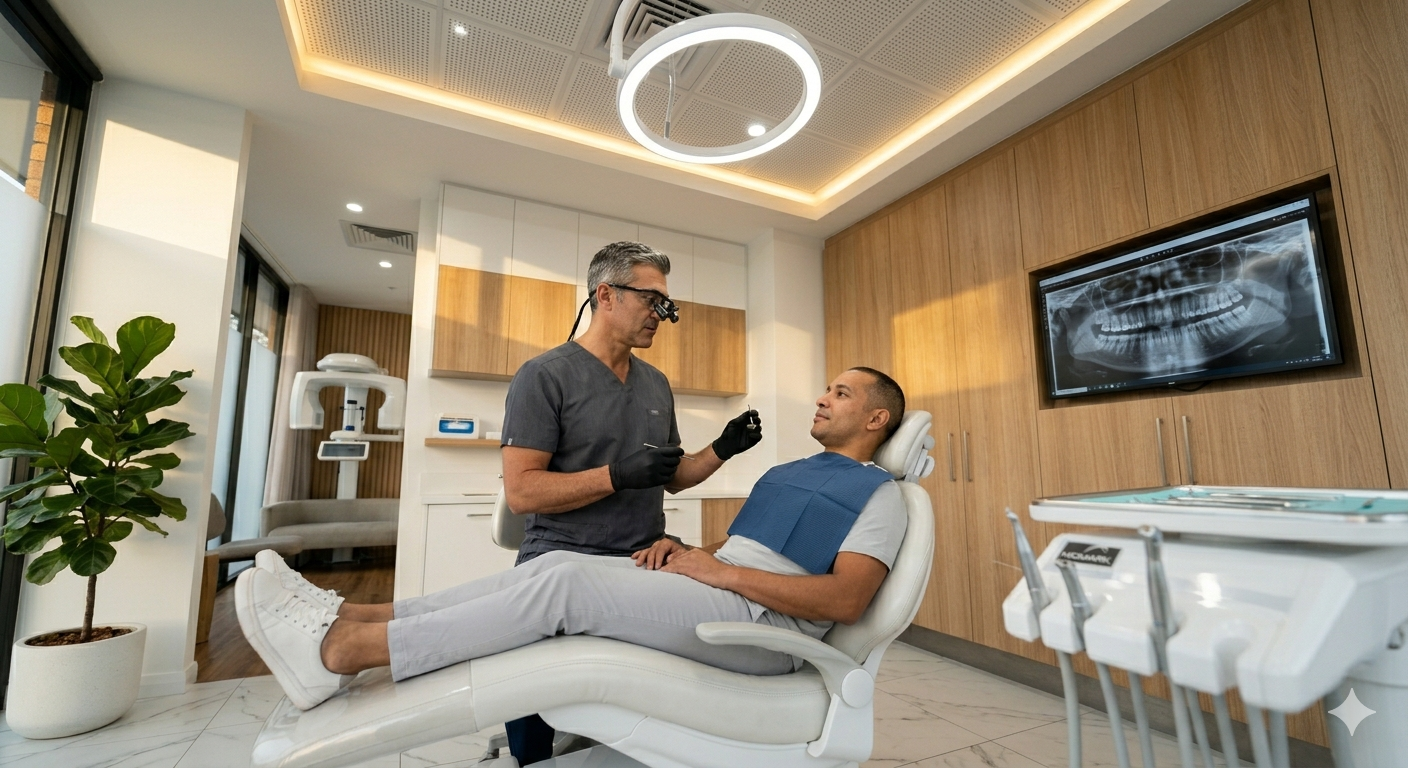
You can boost both your confidence and oral health with cosmetic dentistry in Brooklyn, NY—improvements that look natural and last.
They’ll explain how teeth whitening, veneers, dental implants, and subtle reshaping can make a noticeable difference while addressing issues that affect bite, speech, and overall dental hygiene. The article will show how modern materials and minimally invasive techniques prioritize comfort and predictable results.
They’ll also cover how personalized treatment plans fit the busy Brooklyn lifestyle, what to expect from consultations, and how to choose a trusted local dentist so you can take the next step toward a healthier, brighter smile.
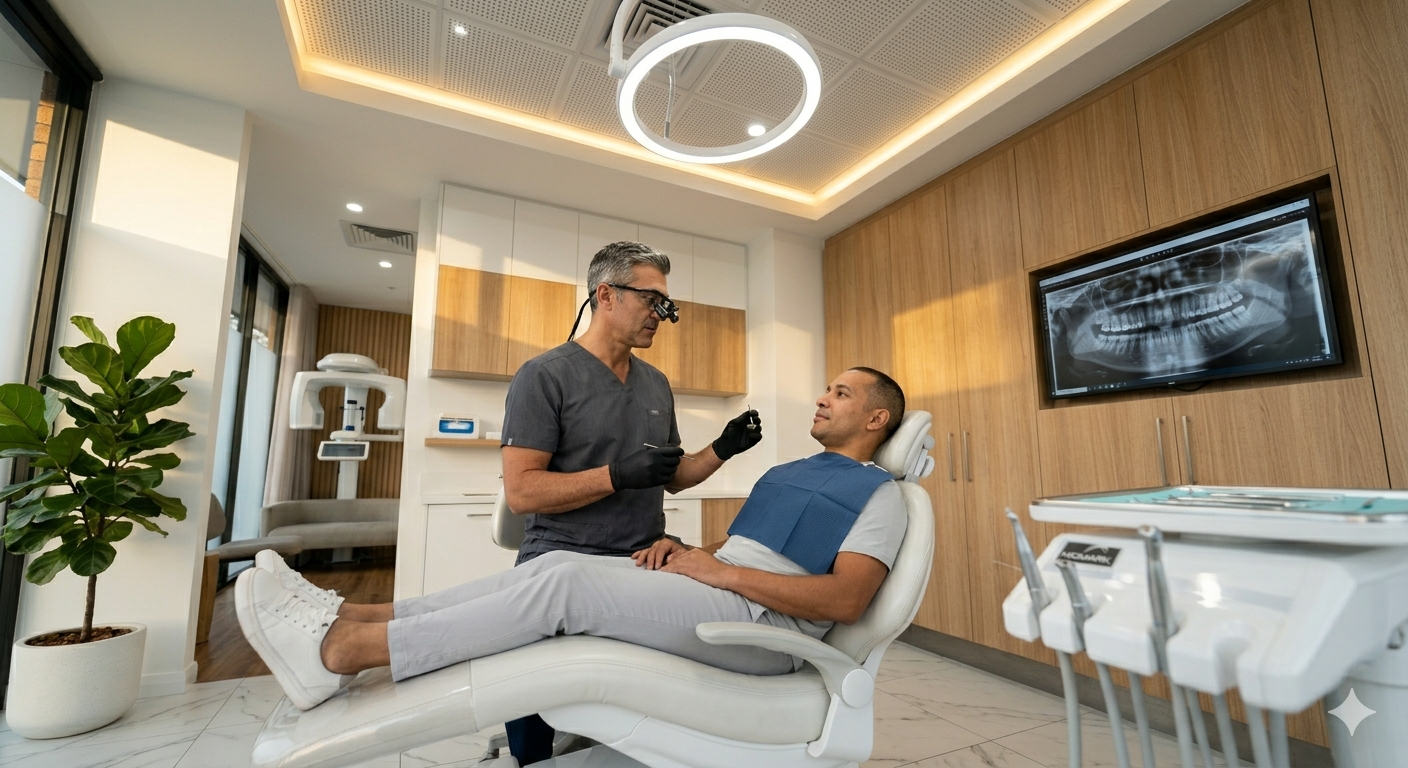
Cosmetic dentistry focuses on improving the appearance of teeth, gums, and bite through aesthetic and restorative treatments. It emphasizes patient comfort, predictable results, and options that fit daily life in Brooklyn — from quick in-office procedures to multi-step smile makeovers.
General dentistry concentrates on oral health basics: cleanings, cavity fillings, root canals, and gum disease treatment to prevent pain and infection. Cosmetic dentistry builds on that foundation and prioritizes appearance — whitened teeth, reshaped tooth edges, and aligned smiles — while still maintaining function and oral health.
Patients often receive both types of care together. For example, a front-tooth composite bonding procedure restores structure (general dentistry) and improves color and shape (cosmetic dentistry). Modern cosmetic work uses durable materials like porcelain and tooth-colored composites that resist staining and mimic natural enamel.
Cosmetic providers in Brooklyn commonly coordinate with hygienists and periodontists to ensure gum health before aesthetic work. This collaboration reduces risks and extends the lifespan of veneers, crowns, or implants.
Teeth whitening offers fast, visible results with in-office bleaching or take-home trays and suits patients with surface stains from coffee or tobacco. Veneers—thin porcelain shells—cover chips, gaps, and severe discoloration, requiring tooth preparation and a few appointments for impressions and bonding.
Dental bonding uses composite resin to fix small chips or close gaps in a single visit; it’s a lower-cost, reversible option but may stain over time. Invisalign and clear aligners correct mild to moderate misalignment discreetly, often completing treatment within 6–18 months depending on complexity.
Crowns restore strength and appearance after large restorations, while implants replace missing teeth with a titanium post and porcelain crown for long-term stability. Providers often present a treatment plan that lists timeline, expected lifespan, material choices, and out-of-pocket costs to help Brooklyn patients make informed decisions and schedule comfortable, phased care.
A confident smile affects how people feel and how others respond. Improvements in tooth color, alignment, and shape can reduce self-consciousness and make daily interactions easier.
Dental appearance strongly influences self-esteem because people notice teeth in photos, meetings, and social events. When teeth are stained, chipped, or misaligned, individuals often avoid smiling fully, cover their mouth, or decline close-up photos. That avoidance increases self-awareness and can reduce participation in social and professional situations.
Cosmetic dentistry procedures — such as teeth whitening, porcelain veneers, and clear aligners — address specific concerns quickly. Whitening reduces discoloration from coffee, tobacco, or aging. Veneers reshape chips and gaps with durable porcelain that mimics natural enamel. Clear aligners move teeth discreetly over months without metal brackets, improving bite and appearance.
Small changes yield measurable benefits. Patients report easier eye contact, increased willingness to speak up in meetings, and more natural smiling in photos. These outcomes support better mood and social engagement, not just a different look.
Smiles are one of the first traits people notice during introductions, interviews, or dates. A bright, even smile signals health, attention to personal care, and approachability. Employers and colleagues often interpret a neat smile as part of professional grooming.
Studies show that dental appearance can affect perceived trustworthiness and competence. For example, straighter, well-maintained teeth are linked to higher ratings in job interviews and leadership impressions. Cosmetic treatments that correct spacing, discoloration, and minor shape issues can therefore influence career opportunities and networking success.
Practical steps can make a quick difference: professional whitening before major events, minor bonding for visible chips, or an initial consult for aligner options. These targeted treatments help individuals present themselves confidently in high-stakes moments without extensive downtime.
Cosmetic dentistry often improves function as well as appearance, making everyday activities like chewing and speaking easier. Many treatments also reduce future dental risks and encourage better oral care habits.
People who invest in cosmetic work such as veneers, crowns, or professional whitening commonly adopt stronger hygiene routines afterward. A patient with newly aligned or veneered teeth often brushes more carefully and flosses regularly to protect visible restorations and maintain their investment.
Dentists reinforce these habits with specific instructions: brush twice daily with a soft-bristle brush, use a fluoridated toothpaste, and floss or use interdental brushes at least once daily. Patients receiving implants or bridges learn targeted cleaning techniques—such as using a floss threader, water flosser, or interdental picks—to prevent plaque buildup around prosthetics.
Regular professional cleanings every 3–6 months become more common as patients want to preserve cosmetic results and detect early issues. This combination of better home care and routine maintenance lowers risk of decay and gum disease around natural teeth and restorations.
Cosmetic procedures frequently address structural problems that, if left untreated, lead to larger health issues. For example, correcting misaligned teeth with orthodontics or bonding reduces abnormal wear patterns that can cause chipping, fractures, or TMJ strain.
Restorations such as crowns and onlays replace weakened enamel and redistribute biting forces, protecting the tooth from further breakdown. Inlays and composite fillings seal cavities in a way that reduces bacterial invasion and recurrent decay.
Modern materials used in cosmetic dentistry—ceramics and high-strength composites—offer durable, biocompatible solutions that resist staining and wear. This durability means fewer replacements over time and less cumulative trauma to surrounding teeth and gums.
Cosmetic treatments often function as preventative measures that stop progressive damage. A veneer or crown placed on a cracked or heavily filled tooth stabilizes the structure and prevents the crack from propagating into a root fracture.
Occlusal adjustments and nightguards produced following cosmetic bite work protect restorations and natural teeth from grinding-related wear. Patients who correct uneven bites reduce localized stress that typically leads to enamel erosion and sensitivity.
Additionally, replacing missing teeth with implants or bridges preserves adjacent teeth and bone. Implants prevent bone resorption in the jaw and stop neighboring teeth from shifting, which lowers the chance of future misalignment and the need for more invasive interventions.
Brooklyn practices tailor cosmetic plans to each patient’s facial features, lifestyle, and budget. They prioritize natural-looking results, comfort during procedures, and realistic timelines.
Dentists begin with a detailed consultation that includes medical history, photographs, and intraoral scans. They evaluate tooth color, shape, gum line, bite relationships, and how the smile fits the patient’s face to set specific aesthetic goals.
Digital smile design software often creates mockups so patients can preview changes. This lets the dentist adjust proportions, tooth length, and alignment before any irreversible work begins. It also helps set expectations about what veneers, bonding, or orthodontics will accomplish.
Treatment options get matched to needs: porcelain veneers for stain-resistant, long-lasting changes; composite bonding for quicker, lower-cost corrections; and clear aligners for discreet alignment. Cost estimates, timelines, and maintenance plans are discussed up front.
Brooklyn clinics commonly use intraoral scanners, CBCT (cone beam computed tomography), and digital X-rays to gather precise diagnostic data. These tools reduce guesswork and speed planning for implants, veneers, and gum reshaping.
Laboratory collaboration often occurs through digital files, allowing local ceramists to craft restorations with accurate color matching and minimally invasive preparations. Same-day crowns and milled veneers are available at many practices using CAD/CAM systems.
Pain management techniques such as topical anesthetics, local anesthesia, and comfort-focused protocols (shorter appointment segments, noise-cancelling options) improve patient experience. Post-procedure care plans include night guards, whitening touch-ups, and routine hygiene scheduling to protect investments.
This section explains how modern cosmetic dentistry reduces tissue removal, speeds recovery, and uses biocompatible materials that match natural teeth. It also covers chairside measures that minimize discomfort and protocols that protect overall health.
Dentists increasingly choose treatments that preserve enamel and tooth structure. Examples include composite bonding instead of full crowns, veneers with reduced-prep or no-prep techniques, and resin infiltration for early white-spot lesions. Each option aims to remove as little healthy tooth tissue as possible while achieving the desired cosmetic result.
Patients benefit from shorter appointments and lower long-term risk of needing root canals or more extensive restorations. Clinicians often use digital smile design and intraoral scanners to plan precise, conservative preparations, which reduces repeat adjustments and preserves pulp vitality.
Material choices support minimal invasiveness. High-strength ceramics like lithium disilicate allow thinner restorations with excellent esthetics, and modern composites bond strongly to enamel, enabling durable repairs without aggressive reduction.
Practices in Brooklyn now integrate multiple strategies to keep patients comfortable before, during, and after procedures. Topical anesthetics and precise local anesthesia protocols limit numbness to targeted areas. For anxious patients, options include mild oral sedatives or nitrous oxide; dentists screen medical history to ensure safe use.
Intraoperative comforts include ergonomic chairs, warm blankets, and noise-cancelling headphones, while magnification loupes and microscope-assisted work shorten chair time and improve precision. Postoperative comfort relies on proven pain-control plans: short opioid-sparing regimens, NSAIDs, and clear wound-care instructions.
Sterilization, biocompatibility testing, and adherence to CDC and ADA infection-control guidelines protect systemic health. Labs supplying crowns and veneers follow ISO and dental-material standards, and clinicians disclose material types (e.g., zirconia, lithium disilicate, composite) so patients can make informed choices.
Cosmetic dental work often combines immediate aesthetic gains with measurable long-term benefits for oral function and confidence. Durability, maintenance needs, and upfront cost all influence whether a specific enhancement offers lasting value for a patient in Brooklyn.
Porcelain veneers typically last 10–15 years when bonded and cared for properly. Patients should expect replacement eventually; veneers resist staining and mimic enamel strength but can chip from hard impacts or aggressive biting habits.
Dental crowns made of porcelain-fused-to-zirconia or full-contour zirconia can last 10–20 years with routine hygiene. Crowns protect weakened teeth and distribute chewing forces, reducing fracture risk compared with untreated teeth.
Composite bonding is less durable, often needing touch-ups every 5–7 years. It offers a conservative, lower-cost option but wears faster and stains more than ceramics.
Teeth whitening outcomes vary: in-office treatments provide immediate brightening that can be maintained with at-home trays or periodic touch-ups every 6–24 months depending on diet and smoking. Nightguards and behavior changes (avoidance of hard foods, nail-biting) lengthen the life of restorations.
Compare total lifetime cost rather than initial price. A higher upfront investment in porcelain restorations often reduces repeat visits and mid-term repairs, making them more economical across a 10–15 year span.
Consider the following cost factors:
| Procedure | Typical Lifespan | Relative Upfront Cost | Maintenance Needs |
|---|---|---|---|
| Porcelain veneers | 10–15 years | High | Low–moderate |
| Zirconia crowns | 10–20 years | High | Low |
| Composite bonding | 5–7 years | Low–moderate | Moderate |
| In-office whitening | 6–24 months | Low | Touch-ups |
Insurance often covers limited restorative portions but rarely cosmetic-only procedures. Flexible spending accounts, financing plans, and staged treatment can spread costs. Patients who prioritize durable materials and preventive care generally see better value and fewer interruptions to daily life.
If they have questions about longevity, expected costs, or maintenance steps, encourage them to schedule a consultation to review personalized options and timelines.
Patients will learn how appointments flow from first contact to follow-up, what records and payments matter, and how clinics prioritize comfort and predictable outcomes.
The patient calls or books online and completes a medical history and insurance form before the visit. A front-desk team confirms coverage, estimates costs, and schedules any required imaging such as digital X-rays or intraoral scans.
At the consultation, a dentist performs an oral exam, reviews imaging, and discusses aesthetic goals using photos or mock-ups. They explain treatment options — veneers, crowns, whitening, or orthodontics — with expected timelines, costs, and maintenance.
The practice provides a written treatment plan and financing options, and may offer sedation choices for anxious patients. If lab work or specialist input is needed, the team coordinates appointments to minimize delays.
Before treatment, patients receive pre-op instructions: avoid smoking, follow fasting rules for sedation if applicable, and bring a list of medications. The clinic confirms consent forms, allergy checks, and arrival time to streamline the procedure.
During treatment, they can expect local anesthesia for most restorative or cosmetic procedures; the team monitors comfort and explains each step. For longer procedures, breaks and post-op care instructions are provided to reduce discomfort.
After treatment, patients get written aftercare including pain management, diet restrictions, and oral hygiene tips. Follow-up visits check healing, adjust restorations, and schedule routine cleanings to protect investment and long-term oral health.
Patients should look for a dentist who combines technical skill with a focus on comfort. A board-certified or ADA-member dentist signals professional standards and ongoing education.
Check before-and-after photos and patient reviews to gauge real-world results. Pay attention to cases similar to the patient’s needs—veneers, implants, teeth whitening—and note consistency in quality.
Confirm that the practice uses modern technology like digital smile design, intraoral scanners, and chairside CAD/CAM when appropriate. These tools improve precision and often reduce appointment time.
Ask about cosmetic-specific training such as residency programs, continuing education in aesthetic dentistry, or affiliations with cosmetic dentistry organizations. Specialized training correlates with better aesthetic judgment and predictable outcomes.
Discuss financing, treatment timelines, and any necessary preparatory care during the consultation. Clear cost estimates and phased treatment plans help patients avoid surprises and make informed choices.
Consider office atmosphere and staff rapport; many patients prefer a calm, communicative team that explains each step. A practice that prioritizes patient comfort—sedation options, amenities, and thorough pain management—reduces anxiety.
Use this quick checklist when comparing providers:
Encourage patients to schedule a consultation to ask specific questions and evaluate fit. A short meeting often reveals whether the dentist’s approach matches the patient’s goals and comfort level.
They should schedule an initial consultation to review goals, medical history, and treatment options. A clear plan helps set realistic expectations and timelines.
The dentist will perform a thorough exam, including X-rays or digital scans when needed. These images guide precise recommendations for veneers, whitening, bonding, or orthodontics.
Patients should ask about comfort measures and sedation options if they feel anxious. Many practices offer nitrous oxide, oral sedatives, or gentle care techniques to improve the experience.
A simple home-care checklist supports lasting results: brush twice daily, floss once daily, and use a soft-bristle brush. Professional cleanings every six months help maintain both health and appearance.
Costs and insurance vary; they should request a written estimate and discuss payment plans or flexible financing. Comparing options prevents surprises and makes cosmetic care more accessible.
Below is a quick comparison to help decide which treatment to explore first:
| Goal | Common Treatment | Timeframe |
|---|---|---|
| Whiter teeth | Professional whitening | 1–2 visits |
| Fix chips/gaps | Composite bonding | 1 visit |
| Shape/color uniformity | Porcelain veneers | 2–4 visits |
| Straighten teeth | Clear aligners | Months–year(s) |
They can prepare questions beforehand: expected results, longevity, risks, and aftercare. That makes consultations more productive and reassures patients about choices.
Encourage them to call or book online to start the conversation with a trusted Brooklyn cosmetic dentist. A brief appointment clarifies options and begins the path to a healthier, brighter smile.
This section answers common practical concerns about cosmetic dental options, expected longevity, comfort during procedures, functional benefits, and how to choose a provider in Brooklyn. It gives clear, specific details so patients can prepare for a consult or decide next steps.
Teeth whitening brightens natural teeth stained by coffee, smoking, or aging and often shows visible results after one in-office session or a few weeks of take-home trays.
Porcelain veneers and composite bonding reshape, lengthen, or mask chips, gaps, and persistent stains; veneers last longer but require more tooth preparation.
Clear aligners like Invisalign straighten teeth discreetly, improving appearance and alignment without metal braces.
Dental crowns and bridges restore severely damaged or missing teeth to match surrounding teeth in color and shape.
In-office teeth whitening commonly maintains noticeable improvement for 6–18 months with touch-ups and avoiding staining foods.
Take-home whitening, with occasional booster trays, can extend results beyond a year.
Composite bonding typically lasts 5–7 years before chipping or discoloration requires repair or replacement.
Porcelain veneers usually last 10–15 years or more with careful brushing, flossing, and routine dental visits.
Clear aligner treatment results remain stable if the patient wears a retainer as prescribed; without retention, minor relapse can occur within months to years.
Crowns and bridges often last 10–15 years depending on bite forces, oral hygiene, and bruxism management.
Most cosmetic procedures cause minimal pain because dentists use local anesthesia for drilling, shaping, or bonding.
Patients commonly report pressure or vibration rather than sharp pain during the procedure.
Dentists offer sedation options like nitrous oxide (laughing gas), oral sedatives, or IV sedation for anxious patients.
Post-procedure soreness or sensitivity typically resolves in a few days and can be managed with over-the-counter pain relievers and desensitizing toothpaste.
Teeth whitening lightens the color of existing enamel but does not change tooth shape or fix alignment.
Veneers are thin porcelain shells bonded to the front of teeth to change color, shape, and minor alignment; they are durable but usually irreversible.
Composite bonding uses resin to repair chips or gaps with minimal tooth removal but can stain and chip sooner than veneers.
Invisalign uses clear, removable aligners to move teeth; it corrects spacing and bite issues but does not change tooth color or surface defects.
A cosmetic dentist will recommend the best option after an exam, X-rays, and discussion of budget, timeline, and desired permanence.
Yes—restorations like crowns, bridges, and properly aligned teeth from orthodontics improve chewing efficiency and distribute bite forces evenly.
Correcting bite problems reduces jaw strain, headaches, and uneven wear that can cause sensitivity or fractures.
Straightening teeth can make brushing and flossing more effective by reducing tight overlaps and hard-to-reach spaces.
A dentist will evaluate function as part of a cosmetic plan to ensure esthetic changes don’t compromise bite health.
Look for a dentist with specific cosmetic training, before-and-after photos, and patient testimonials that reflect results on cases similar to yours.
Verify they use modern imaging (intraoral photos, digital smile design) and offer a written treatment plan with cost estimates and timelines.
Ask about material options, expected lifespan of restorations, sedation choices, and how they handle emergencies or repairs.
Request to see full-case photographs, ask about fees for follow-up or repairs, and confirm whether preventive care and retention (for Invisalign) are included.